

Dubrovnik—>Stolac—>Mostar—>Sarajevo—>Visegrad

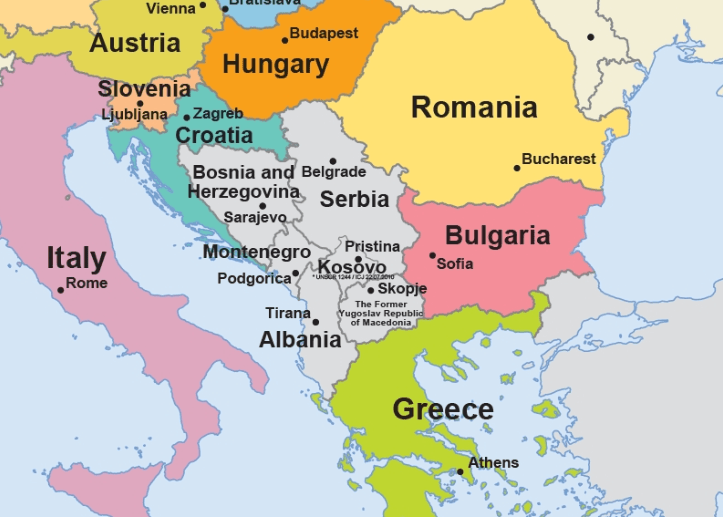
I left Dubrovnik on April 1st with intentions of reaching Mostar, Bosnia and Herzegovina, that same evening. This was already expected to be a long ride with at least 80 miles to cover. The distance was extended even further after making a few mistakes with my maps, resulting in some wrong turns. Luckily, I had very few navigational issues until this point, so I cannot complain.
The route I took ran along the Croatian coast for about 20 miles before cutting east towards the border. If I were to do this day over again, I would have followed the coast, exiting and entering Bosnia and Herzegovina twice, and cut in towards the border past Komarna, Croatia. I picked the route I did in hopes of avoiding extended stops along the border and additional border crossing stamps.
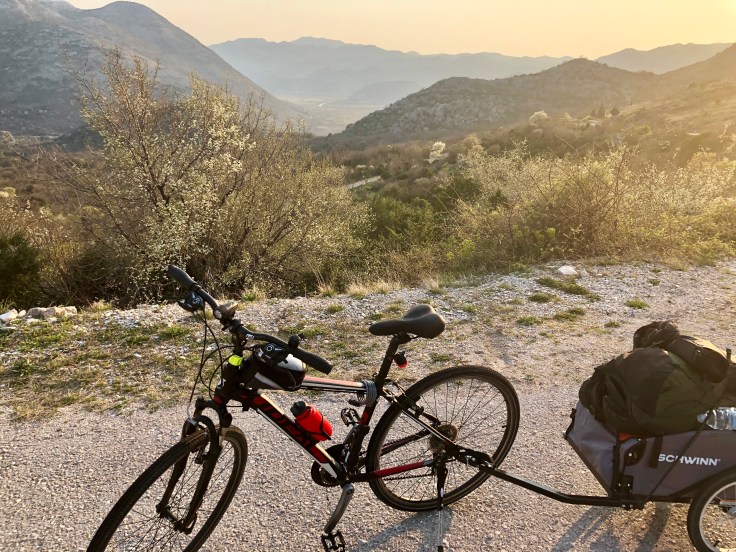
Anyway, enough with what I would have done. I entered the Bosnia and Herzegovina border around 3 PM. There were no cars at the border crossing, allowing me to pass very easily. I started to wonder if this was a normal route for vehicles or if I was a bit off track. The more I pedaled, the more I started to question my route.
In this tiny village, I stayed at Grandma’s Guest House, which was located at the far side of town, overlooking the river. She (grandma) was wonderful, and the place was great for a quick night’s stay. I was able to get a load of laundry done and got some much-needed sleep. The next morning, I woke up very early and rode about three hours before arriving at Taso’s Hostel in Mostar.
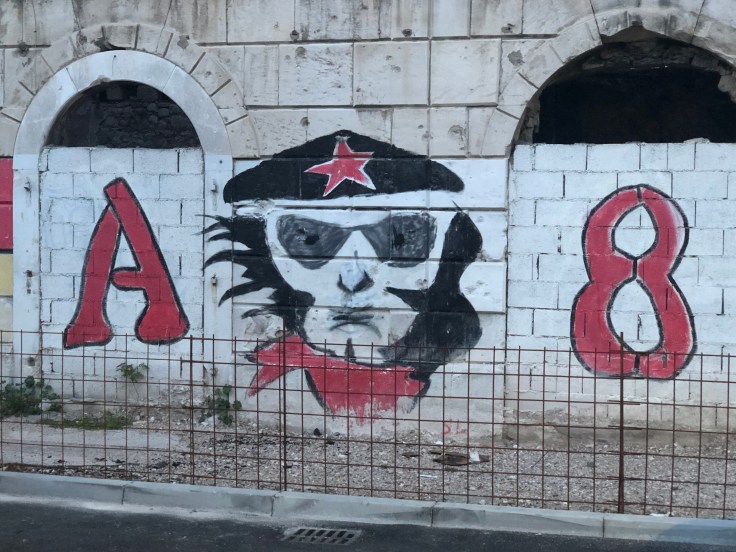
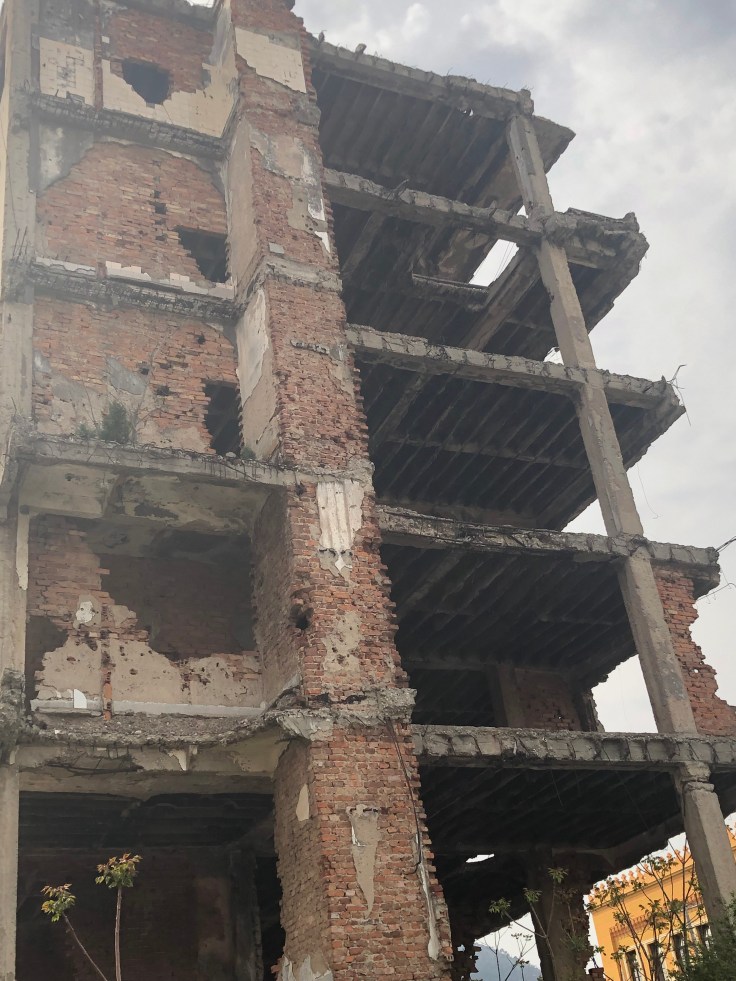
Mostar is filled with incredible people, each with profound stories that need to be heard. Bosnia and Herzegovina, a former republic of Yugoslavia, has a multiethnic population made up primarily of Bosniaks (Bosnian Muslims), Serbs, and Croats. An ethnically rooted war occurred in Bosnia and Herzegovina from 1992 to 1995, when NATO got involved, eventually negotiating a cease-fire and splitting the area into three sections.
Most of these years I was alive, although I was just a baby and have no memory whatsoever of these events. It was a bit hard for me to grasp at first, as we in many of the Western nations have been without war on our own turf for quite some time now. This goes along with the theme of many of my other posts, which try to remind all of us that we must not take for granted the situations at hand.
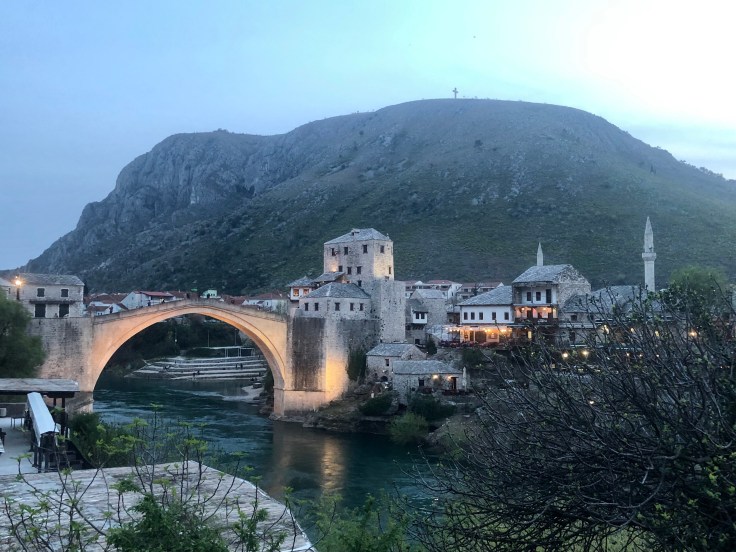
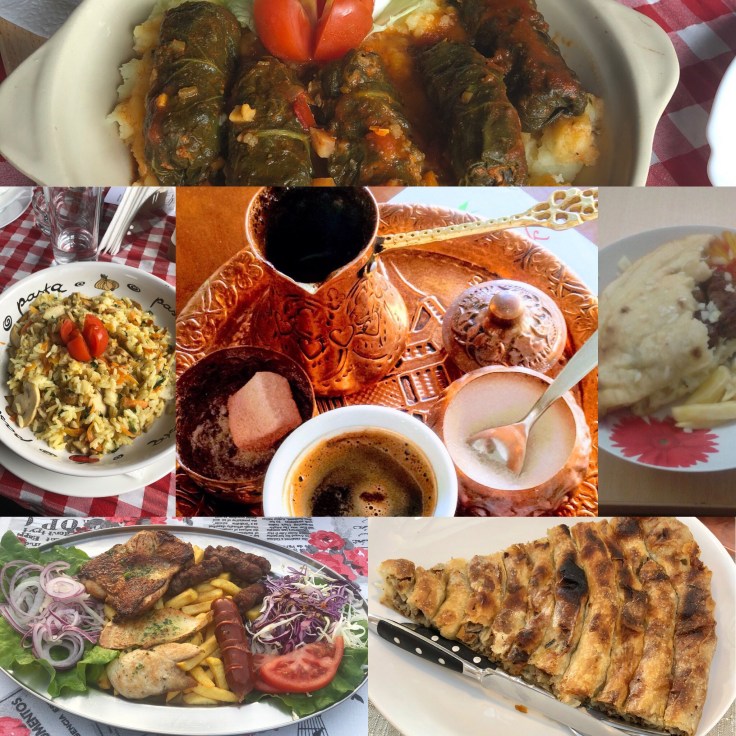
Anyway, I joined my friends Brittany and Matt at Taso’s Hostel, and we set off on the day tour. We started with a beautiful breakfast that was included in the 20 euros that the entire day tour cost. One thing you must know about Bosnia and Herzegovina is that the food is absolutely heavenly. The restaurant we went to was called Dva Fenjera, and I had a large slice of Burek with meat inside. This is unique to Bosnia and Herzegovina because it is cooked in a cast-iron pan that is covered with hot coals from all sides, causing the heat to be dispersed so that the Burek is cooked equally from both sides. They also serve traditional Bosnian coffee, which is similar to Turkish coffee in some ways but is served with beautiful copper utensils. We were given a quick lesson on how to properly drink our Bosnian-style coffee.
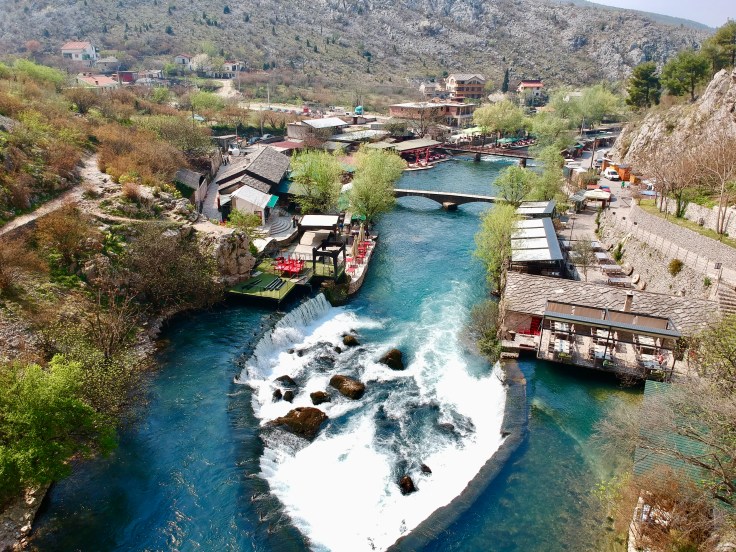
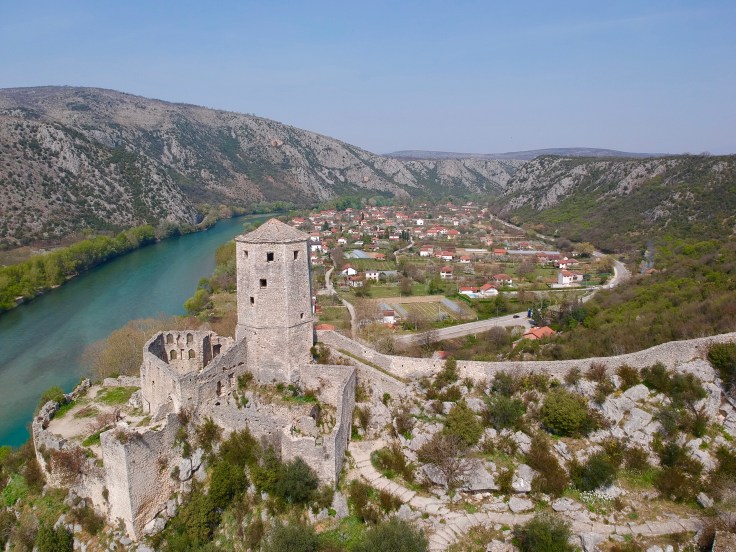
Following our fantastic breakfast, we made our way to a nice lookout point under a Duke’s house on the cliff. There, we walked around the beautiful water flowing through the caves and cliff area. Our next stop brought us to the charming town of Pocitelj. This place is incredibly charming and should be a must for anyone in the area. There is a beautiful castle and a traditional old town inside of it, providing an hour of non-stop sightseeing.
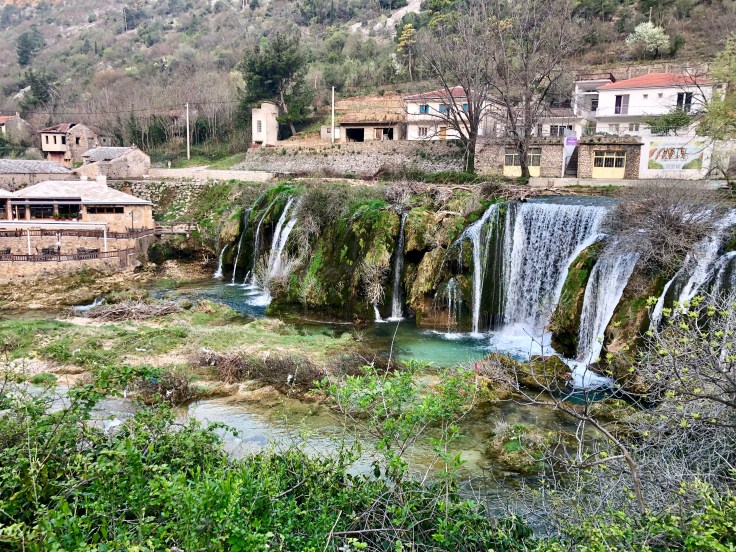
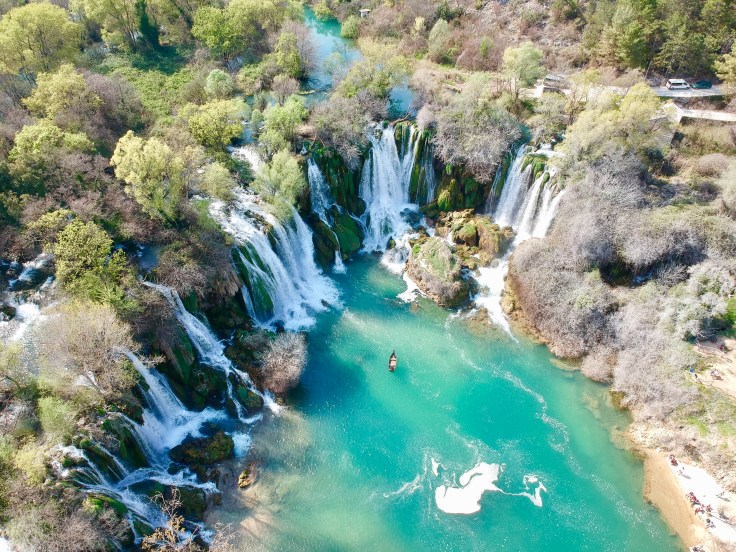
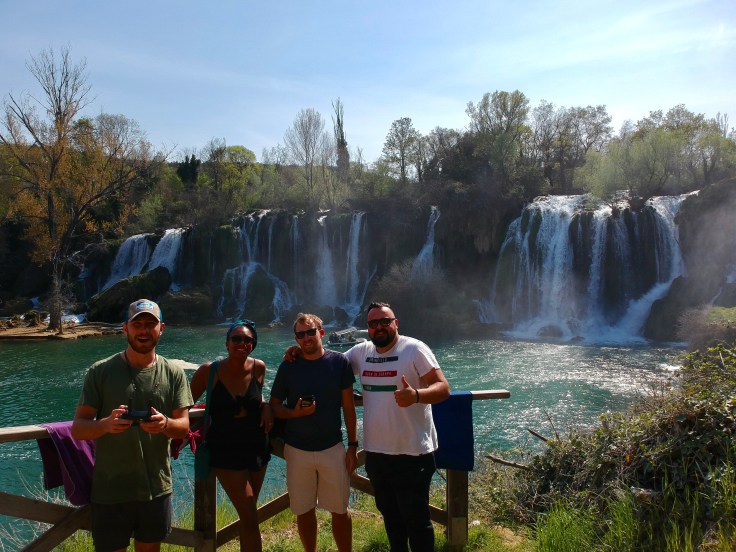
After an hour of exploring this historical amusement park, we hopped back into the van and made our way to a waterfall that may have been my favorite stop of the day. The three of us ended up going for a dip in the frigid water even after spotting a water snake right next to us. Besides the swimming, this place is stunning. We spent some time in silence, staring at the waterfall and admiring its beauty.
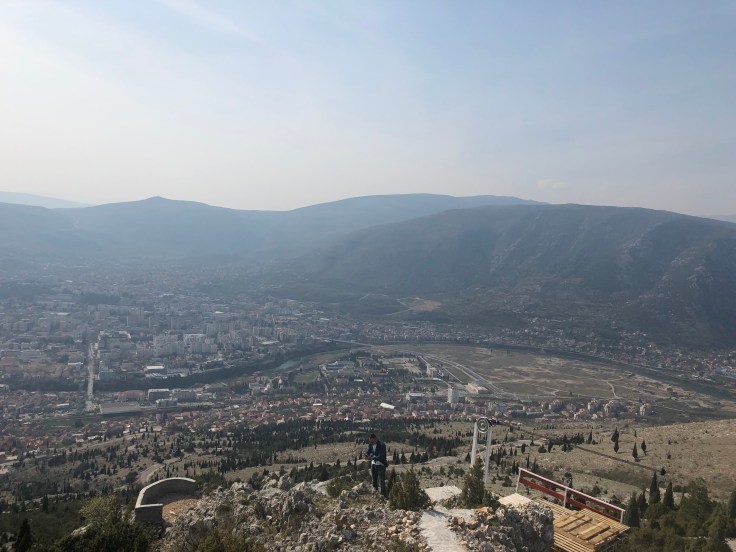
Our last stop was at Ruiste, located at the top of a hill overlooking the city of Mostar. Here, we got an in-depth story about Taso’s experiences during and after the war. He felt it was important to share these stories towards the end of the tour so that we understand the loss that occurred during this time and the importance of moving forward.
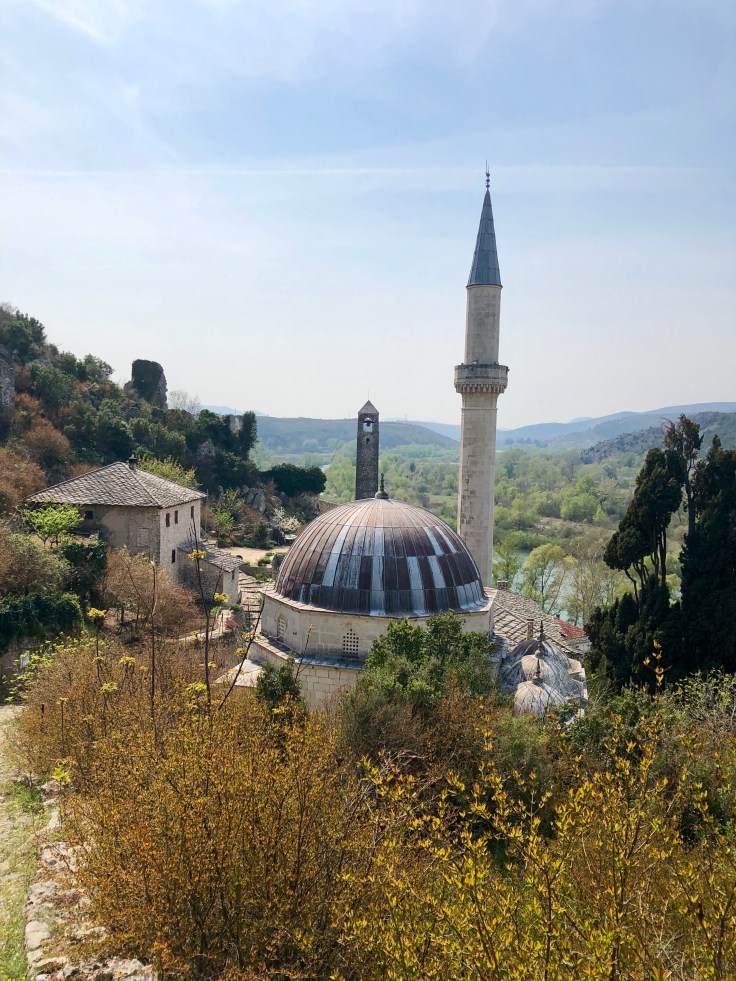
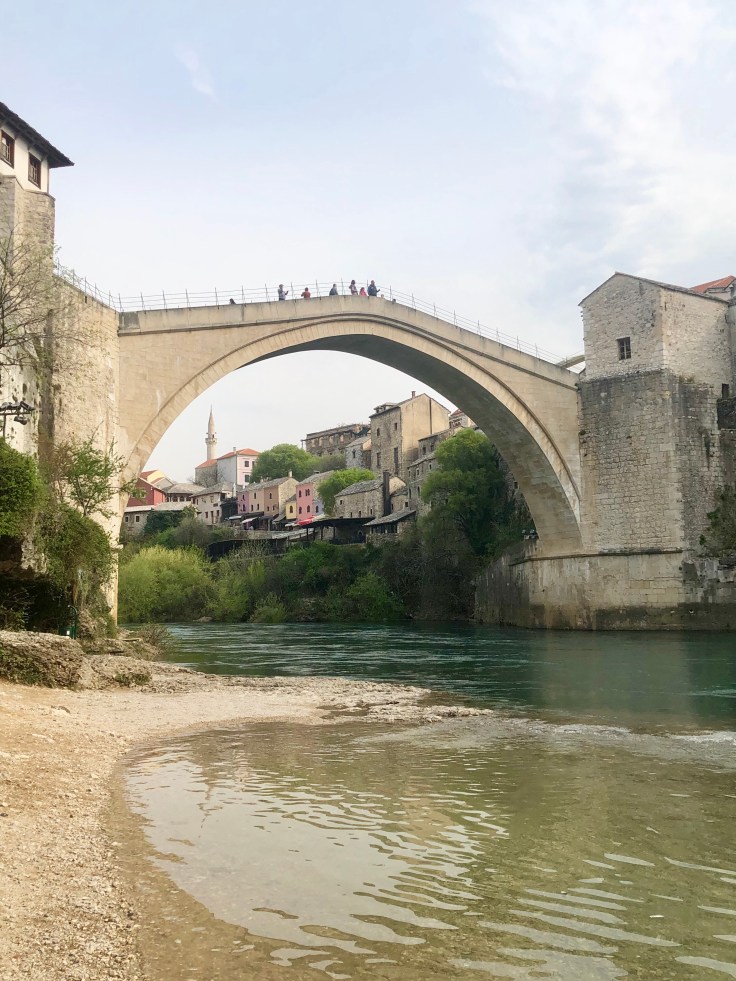
Day two was a bit more relaxed. We did a free walking tour in the morning with our guide Sheva, who was also a military sniper in the war. Sheva’s tour is highly recommended. We saw most of the city sites, including the Kriva Cuprija (Crooked Bridge), Mostar Bridge (the main one) that the locals jump into the river from, the local spring, the first city hall, the mosque, and the sniper tower. Sheva had many stories about his experiences during the war and was very knowledgeable about the political situation in the region, making him the perfect guide for the city.
After saying our farewells to Sheva, we had some lunch with complimentary rakija shots, of course. In the Balkans, rakija cannot be avoided. Each town and household makes their own, and they vary in quality and alcohol levels. Around 5 o’clock, we made our way to the train station to catch a train over to Sarajevo. This was my first time taking any sort of transportation from one city to another in Europe on this trip. I was a bit reluctant to join the group, but with the weather showing rain and thunderstorms predicted for the next four days, and the bike ride being at least two days through the mountains, I decided it was the right move.
After a little convincing, I was able to get on the train. They were not very happy that I had my bike with me and that it wasn’t wrapped up in some way. If I were on my own, this situation could have gone differently, but luckily with the group, we were able to get the guards to work with us. Anyway, this train ride is extraordinarily beautiful and cuts through the mountain range, giving you a nice two-hour ride to daydream while looking out at the stunning passing landscapes.

 We arrived in Sarajevo as darkness fell upon us. The group of us checked into Franz Ferdinand Hostel and quickly went out searching for a traditional Bosnian meal. We hit the nail on the head with Dzenita, a local spot hidden in the old bazaar area. This food was truly amazing, and I have continued to share this place’s information with every traveler I have met since. We had a dish called cuspajz, a creamy dip with eggs and veggies, which, paired with the local bread, was truly indescribable. We had a bunch of other traditional dishes, and they all exceeded expectations as well. This place is a MUST if you are in Sarajevo.
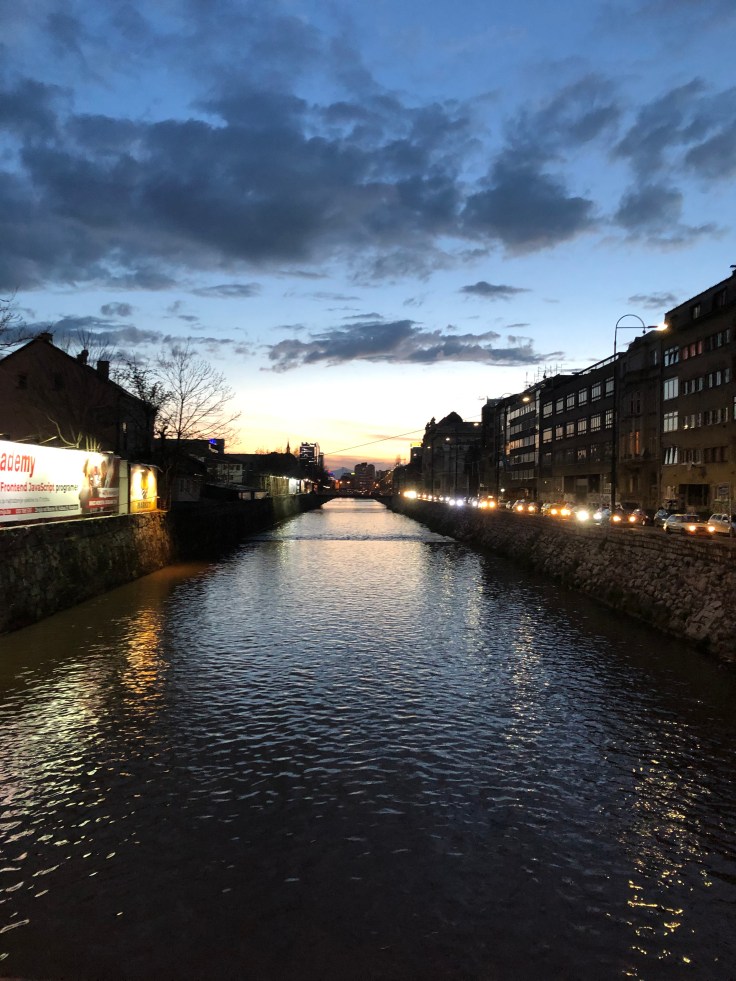
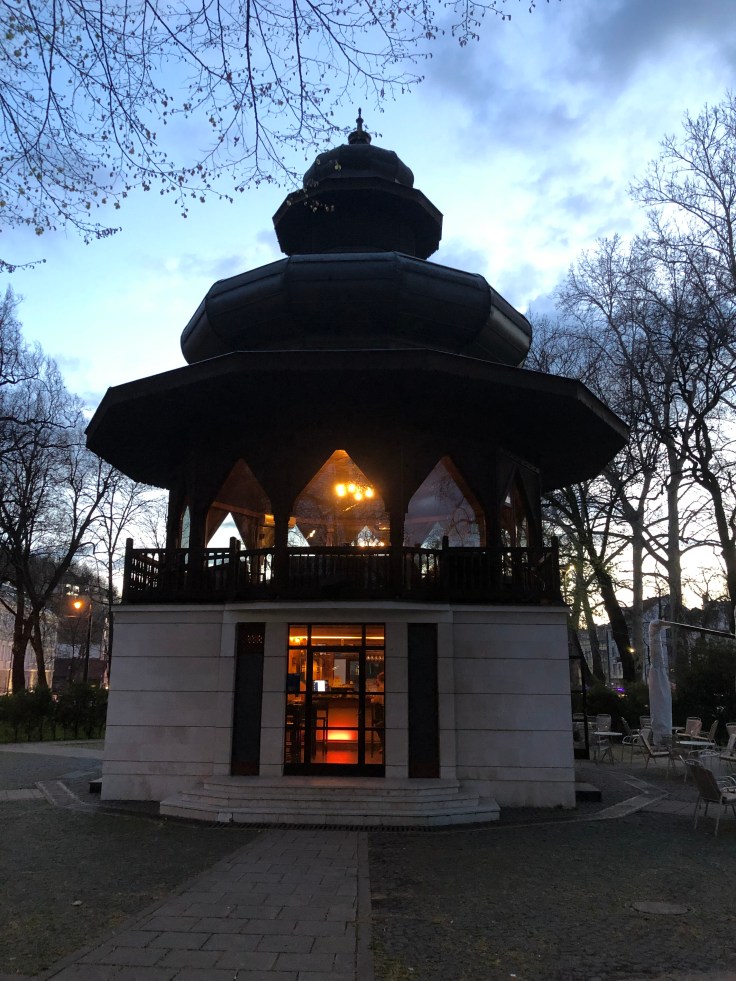
The following day, we did a walking tour around the city with Ennis. This guy has awesome energy, and I have never met someone who has so much fun speaking English in my life. He described the language as fun, flexible, and found there to be many ways to express his ideas. Our tour began at Sacred Heart Church and took us to the first synagogue, the oldest mosque in the region, the marked memorial of the location where Franz Ferdinand and Sophia were killed, sparking WWI, the Hotel Europe foundation, the Orthodox Church, and the many Red Stain Memorials marking different attacks resulting in many civilian deaths.
That evening, we went to Vucko Brewery and Beer Factory, established in 1868, and ended up meeting a larger group of locals before heading out to enjoy a bit of the nightlife.
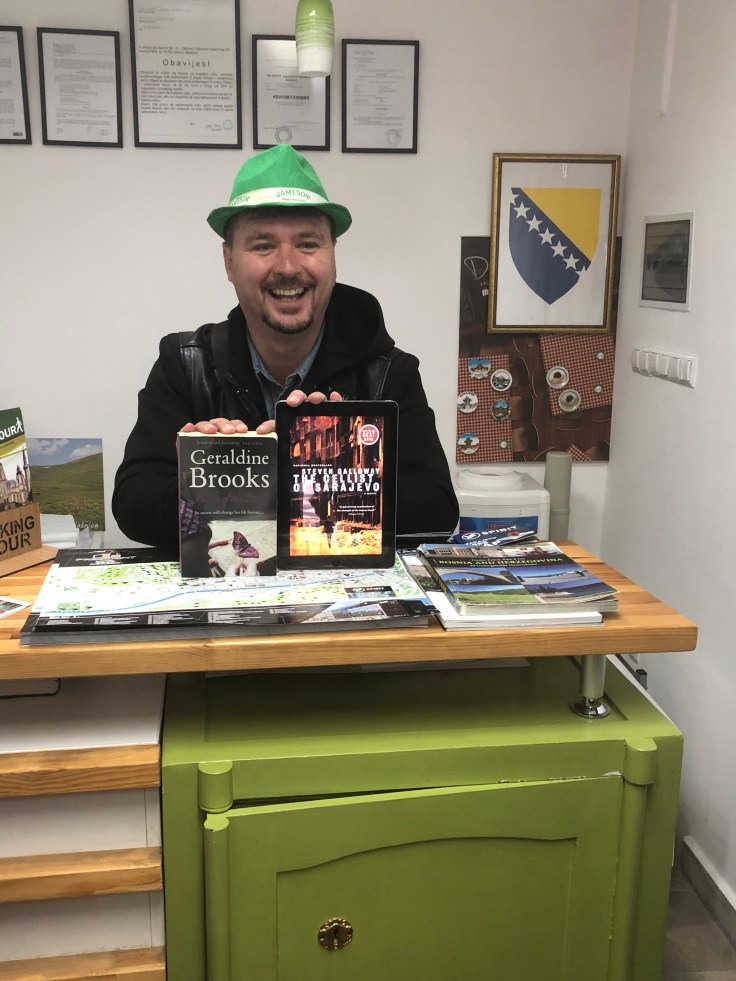
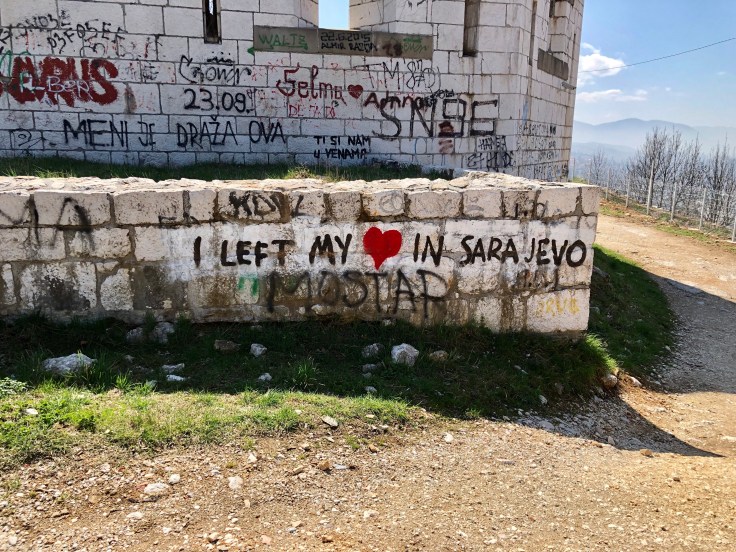 The next day, most of the friends I had been traveling with moved on to their next destinations, and I was back to my solo traveling. It sounds odd for me to say, but I was truly excited to be back to my solo time on the road. For my last day in Sarajevo, I visited the National History Museum, White Fortress, and the Tunnel Museum. The day was filled with a lot of walking, and I enjoyed an early night before getting back on the road in the morning, heading 71 miles to Visegrad.
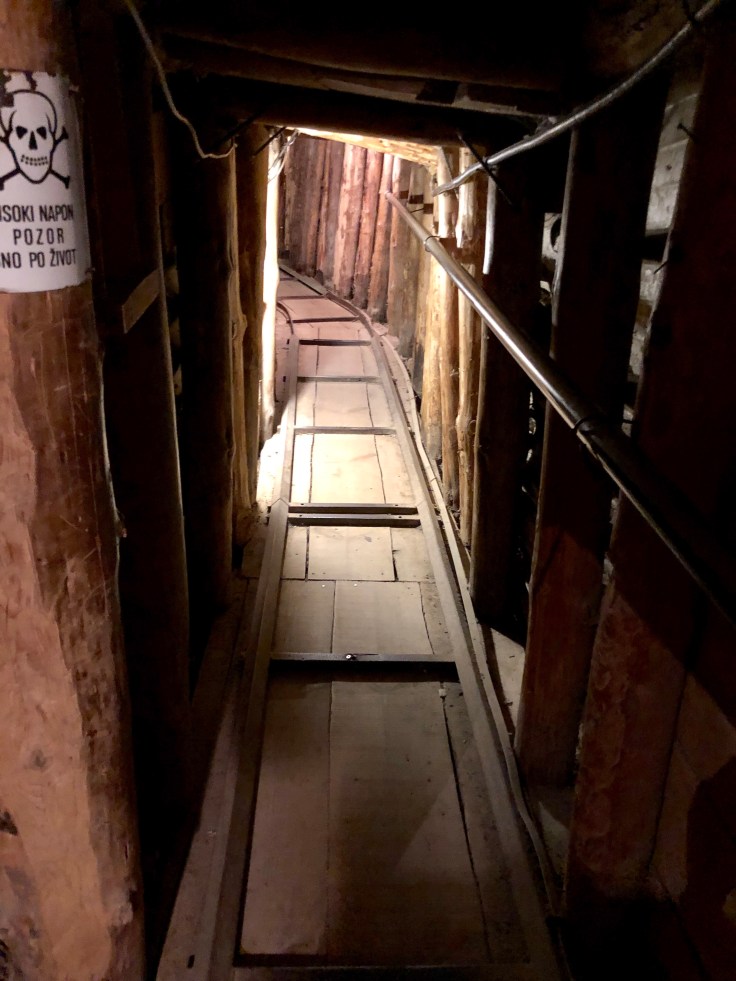

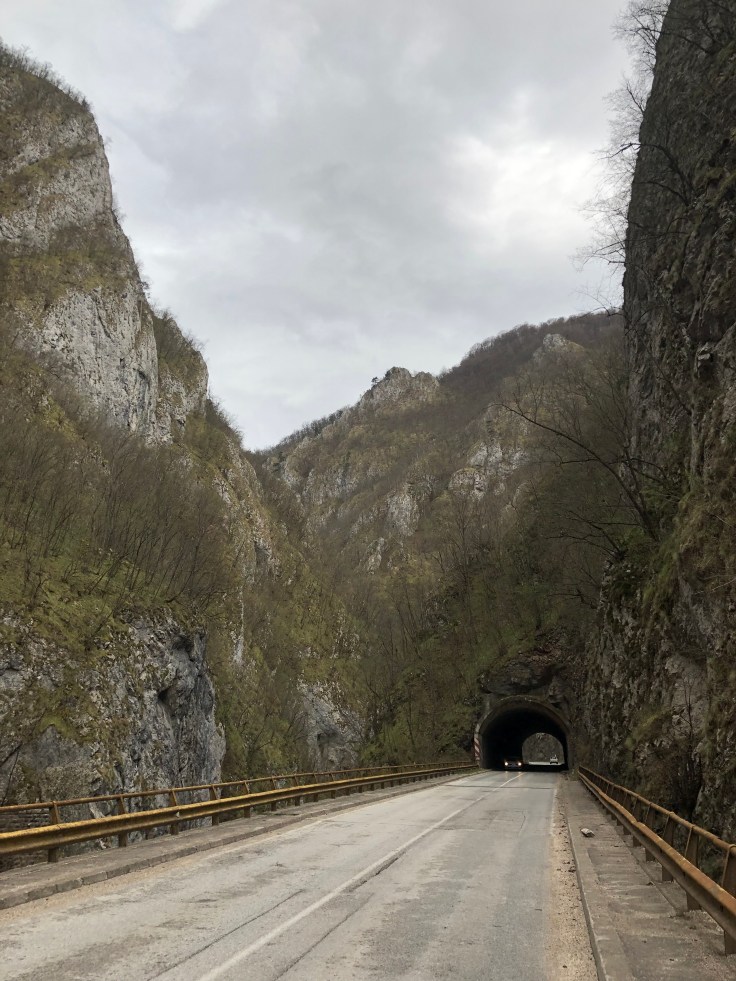
The ride to Visegrad was scenic and mostly downhill due to the many tunnels that cut through the mountains. This is great for the muscles as it avoids the uphill battles, but being a biker in tunnels is one of the more nerve-racking things of all. I wore my reflective neon gear and made sure all of my lights were on, but that only calmed the nerves a bit. Most of the tunnels in this area have no lights inside, so unless you can see either end of the tunnel, it becomes pitch black. There is no lane for biking, so you have to bike straight and hope that the cars behind you are paying attention and see you. I do not like trusting my life to drivers I do not know, but my options were limited.
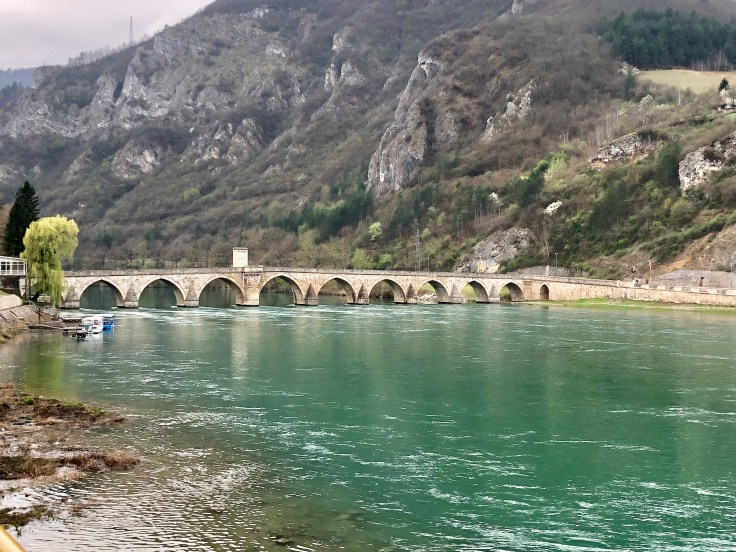
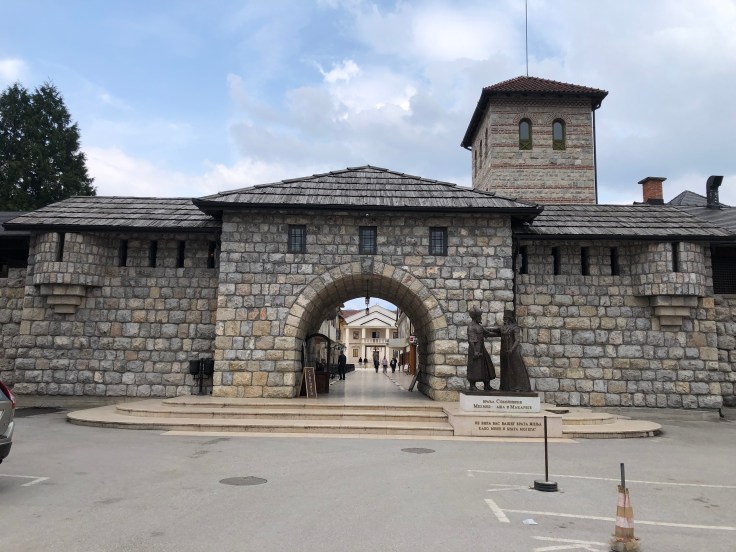
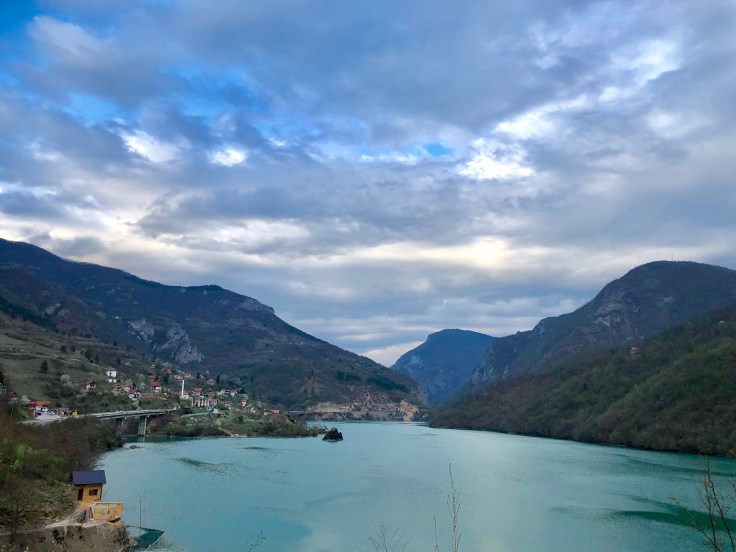
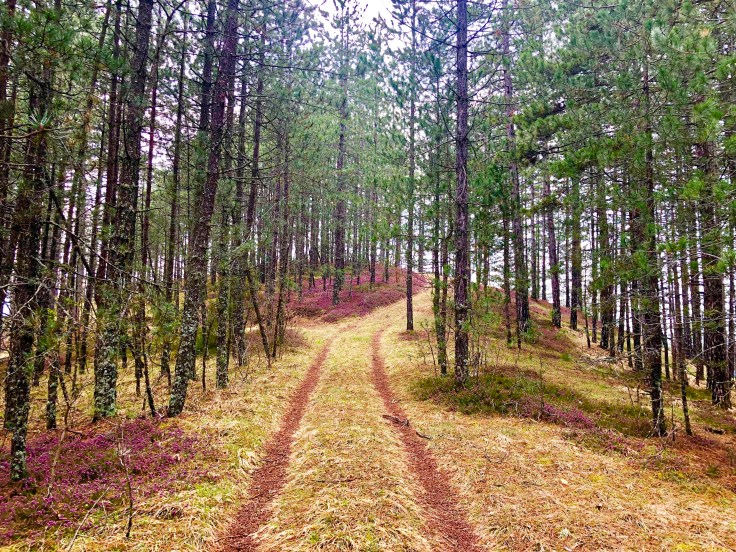
I arrived in Visegrad in the evening of April 8th. I booked a small apartment for the next three days, hoping to do a bit of reflecting, reading, and catching up on my writing. I started the book “Bridge Over the Drina” to learn a bit more about the importance of the town of Visegrad and how it played a role in the history of this region of the world. The town itself is pretty small and can be seen in a single day. There is an old fortress area, a bridge, and some springs near the town. I did some off-road biking excursions and took a lot of time to lay low during my stay here. I really enjoyed the tranquility the town provided me with.

ROSE
1. I really loved meeting the people in Bosnia and Herzegovina. They were friendly and eager to share their stories. They understood forgiveness like nothing else I have ever seen. These people were slaughtering each other only a short 24 years ago, and now they are looking to move forward and embrace love instead of hate.
2. This was mentioned before, but the food here has to be included in my highlights. The meat is what they are truly known for, but they have so many amazing dishes. The Burek is definitely a must-eat, as well as the Cevapi. It would be a hard place to be a vegan, but as someone who loves trying different local foods, I was in heaven. Also, having a higher appetite than normal due to the high level of activity, it helped that the portion sizes are massive! 😊
BUD
1. It was interesting to hear about the Bosnian people’s views on nationalism. They really despise it due to the immense death and suffering it has brought them. This is an interesting thought as I think it relates to the world as a whole. I do not know exactly where the line should be drawn, but in this case, nationalism caused a lot of suffering for a massive number of people.
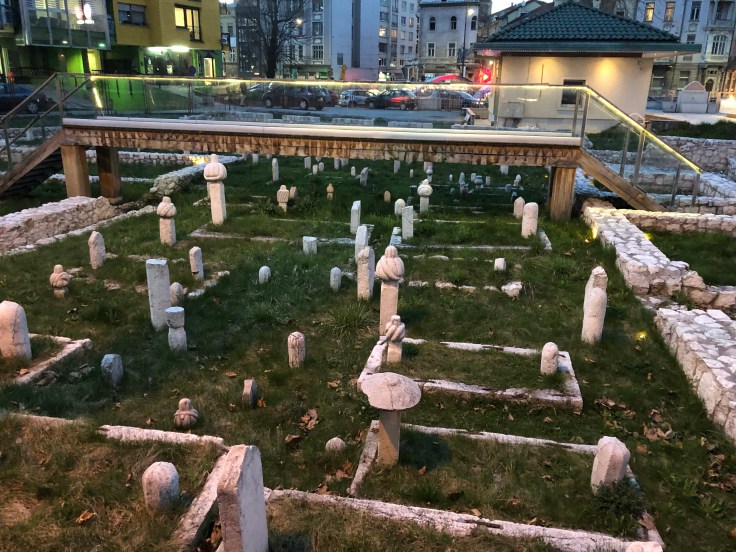
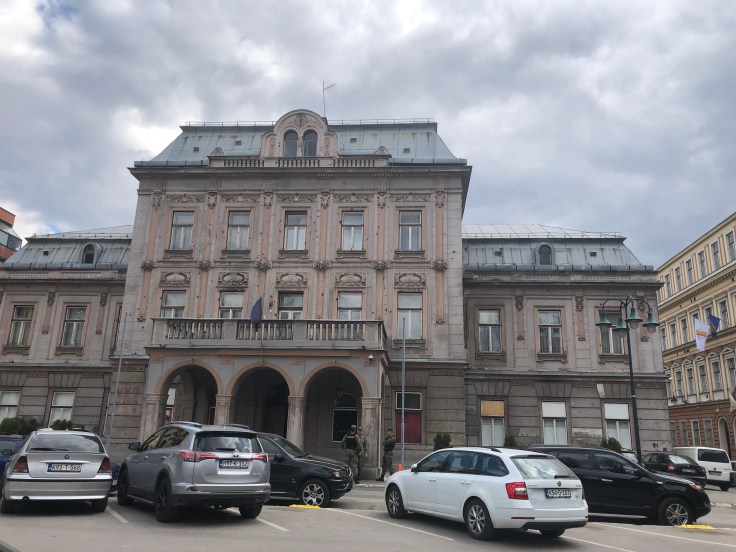
2. This is a region in the Balkans that has experienced a large amount of international intervention in its recent history. It is interesting to look at this and observe some of the pros and cons that these situations bring with them. Bosnia and Herzegovina has a very unique political system with political allegiances that are often based on ethnic identity to this day. It is said to be one of the most complicated systems of government in the world. This system emerged from the Dayton Peace Accords signed in 1995.
Within this system, there are many different ideas and each party seeks something a bit different. The Croat parties want more entities, the Republika Srpska party wants greater autonomy, and the Bosniaks want a more centrally governed country. Corruption and nepotism fuel the system. The country has three different presidents, one from each of the three constituent nations, and then they have one person with more power than any of them who is responsible for keeping the country in line. This person is a foreigner, and I believe he is from Germany right now.
I have a lot more to learn about international intervention around the globe and how it impacts the people in those countries involved.
THORN
There are no ATMs in this country besides in the large cities. For those traveling by bus, this does not affect you, but for those who are driving, bicycling, hitchhiking, scootering, etc., make sure to have some money before entering the country. I learned the hard way and went a day with less food than I would have liked. Euros work in most of these places, so as long as you have euros or local currency, you should be alright. However, big bills of euros will not help you much as they can rarely break them for you.
 Rose, bud, thorning around the world
Great update. You have absorbed the complexity and the sweetness of this amazing place. I love your description of the food.
I just finished the book Bridge over the Drina this morning. A hard read but worth it as it digs into the confusing history at the root of the complexity.
LikeLike
Wow! You are learning so much and seeing so many amazing places. I love all your stories and your photos keep getting better and better.
Can’t wait for the next post!
>
LikeLike
Chad, great photos! They give me a window into your travels so that I can (almost) feel like I’m there with you. I keep thinking what an amazing experience you are having. So rich and meaningful. I especially liked your comment about forgiveness and the choice of those people to focus on life and love going forward. Also, I totally get why you would enjoy your time with the people you’re meeting, but still be happy to be back on the road again alone. I love my alone time, especially when I am absorbing so much beauty, culture, and history. I was sorry to see that the time finally came to pass your trailer off to someone else (from a different email). But it sure served you well! Now, on to new adventures, learning, and living. Keep sharing your impressions!
LikeLike
I miss these….:)
Sent from my iPhone
>
LikeLike